
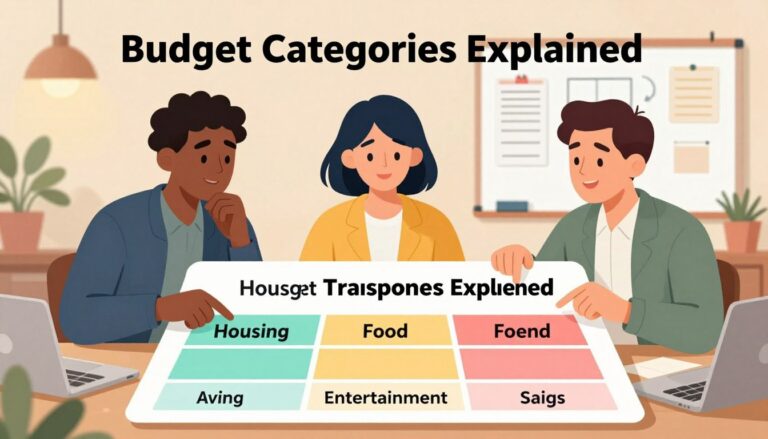
Getting a handle on monthly finances is the best way to gain control over money and reach steady financial footing. First Bank offers the free MyMoney tool in online and mobile banking to help users calculate net worth and begin a plan.
Many people start by making a simple list of every expense each month. This clear view lets them track income and spending and see where adjustments help most.
Using a tool to account for every dollar makes it easier to set priorities in an account and avoid overlooked costs. When each category is clear, managing essentials takes less time and feels more practical for everyday life.
Understanding the Basics of Budgeting
Knowing which expenses stay the same and which change helps people control their monthly cash flow. This simple distinction makes budgeting easier and keeps overall money management practical.
Defining Fixed vs Variable Expenses
Fixed expenses are predictable payments that repeat each month. Examples include rent, mortgage loans, and car loans that keep the same amount due.
Variable expenses shift from month to month. Items like dining out, entertainment, gas, and groceries move up and down and need a flexible category in the plan.
Why Categorization Matters
Grouping expenses by type shows where income goes and highlights areas to trim spending.
- A budget records income and expenses over a month or year.
- Keeping fixed and variable items separate helps track the exact amount owed each month.
- For example, watching variable spending reveals patterns that can free up money for savings.
Budget Categories Explained for Beginners
Starting with a clear list of monthly outgo helps beginners see where their money really goes.
They should write every expense for the month. This list makes it easier to divide income into each account and plan ahead.
- Create a full list of monthly expenses so no cost is missed.
- Track the 10 key types of spending the guide will cover next.
- Organize money into named category groups to watch balances and leftover funds.
| Expense Type | What to Track | Frequency | Priority |
|---|---|---|---|
| Housing | Rent/mortgage, insurance | Monthly | High |
| Transport | Fuel, maintenance, fares | Weekly/Monthly | Medium |
| Food | Groceries, dining out | Weekly | High |
| Savings & Debt | Emergency fund, payments | Monthly | High |
Refining each category over time helps people avoid missed bills. Small reviews each month save time and build stronger money habits.
Managing Essential Housing and Utility Costs
Keeping house payments and service bills organized prevents surprise shortfalls during the month. Housing and utilities make up a major share of household expenses, so clear tracking helps protect income and savings.
Mortgage and Rent Obligations
Mortgage or rent payments usually take the largest portion of the monthly budget. Include HOA fees, property taxes, lawn care, appliance upkeep, pest control, and planned repairs in the housing category.
Also set aside the amount for home insurance premiums to guard against large unexpected costs. Treat these payments as top-priority bills so they are paid first from the account.
Utility Service Payments
Utilities are essential services that must be prioritized. This includes electricity, water, natural gas, sewer, phone, internet, and trash pickup.
Managing these payments effectively is a practical example of how to keep monthly expenses under control while maintaining the home.
| Type | Includes | Priority |
|---|---|---|
| Housing costs | Mortgage/rent, HOA, taxes, repairs, appliances, insurance | High |
| Utilities | Electricity, water, gas, sewer, phone, internet, trash | High |
| Maintenance fund | Lawn care, pest control, emergency repairs | Medium |
For help making a practical plan, see how to create a simple budget. Small, regular checks keep payments on time and ease monthly spending pressure.
Tracking Transportation and Commuting Expenses
Daily travel choices shape how much you spend each month on getting around. Tracking transportation helps show where money moves and which costs can be trimmed.
Vehicle Maintenance and Fuel
Transportation expenses include car loan payments, repairs, gas, registration, parking, tolls, and public transit fees. Treat gas and repairs as a variable category so totals stay visible each month.
Car insurance, registration fees, and loan payments are essential payments that belong in a fixed portion of the budget. Monitoring these items prevents missed fees and late payment penalties.
- Track fuel and repair receipts to spot rising costs.
- Compare ride-share and parking fees to find savings each month.
- Regular maintenance reduces the chance of large, unexpected repair bills.
For example, if someone drives to work, they should log mileage and maintenance in the relevant category. Small checks on transportation spending can free income for savings or debt payments.
Handling Food and Grocery Spending
Food choices shape a large share of monthly spending and can unlock quick savings when adjusted.
Food expenses include groceries, restaurants, delivered meals, coffee shops, and drinks. Track every purchase so the true cost of eating is visible each month.
Cooking groceries at home usually lowers costs compared with dining out or ordering delivery. Set a realistic amount for the groceries category and update it when bills fluctuate.
- Reduce restaurant and delivery habits to save money fast.
- Compare grocery prices and buy staples in bulk when it makes sense.
- Track food spending to see how much income goes to dining out versus healthy groceries.
| Food Type | Includes | Monthly Priority |
|---|---|---|
| Groceries | Staples, produce, pantry items | High |
| Dining Out | Restaurants, fast food, coffee shops | Medium |
| Delivery & Snacks | Takeout fees, convenience drinks, convenience items | Low |
Prioritizing Health and Insurance Coverage
Prioritizing health spending protects both family wellness and household finances. Health insurance is a key line item, and U.S. households spent an average of $4,049 on coverage in 2023.
Medical expenses go beyond premiums. Include copays, primary and specialist visits, dental and vision care, prescriptions, urgent care, and veterinary care in the plan.
Even with coverage, set aside money for unexpected bills. An emergency cushion prevents one visit from derailing the month’s other bills like food or transportation.
- Track premiums and review plans yearly to confirm value for the money spent.
- Estimate routine costs and add a buffer for prescriptions and specialist visits.
- Keep health and wellness costs on par with transportation and food in the overall plan.
| Item | Includes | Priority |
|---|---|---|
| Health insurance | Premiums, deductibles | High |
| Out-of-pocket care | Copays, prescriptions, urgent visits | High |
| Preventive & family care | Dental, vision, vaccines, vet care | Medium |
Organizing Personal Care and Lifestyle Costs
Small lifestyle choices add up fast, so tracking personal care costs keeps a plan realistic. Treat clothing, grooming, and fitness as deliberate line items so they do not crowd essential payments.
Clothing and Apparel
Clothing purchases include shoes, seasonal items, and repairs. Record each purchase to compare how much clothing affects the household budget.
Grooming and Salon Services
Grooming services cover haircuts, nail salons, cosmetics, and occasional massage therapy. Track salon services to prevent overspending and to set a sensible monthly limit.
Fitness and Wellness
Gym memberships and fitness classes improve health and life quality. They belong in the same category as other wellness costs like therapy or wellness treatments.
- Include toiletries and cleaning supplies under personal care.
- Review monthly spending and adjust the category if costs rise.
- Prioritize insurance, food, and housing first; treat lifestyle costs as flexible.
Managing Debt and Future Savings
A clear plan for paying loans and saving each month protects future finances and lowers stress.
With the average household debt near $149,358, it is important to list every loan payment and credit card bill in the budget. Include auto loans, student loans, medical debt, and other monthly payments so nothing is missed.
They should prioritize high-interest debt first to cut interest costs. This frees money for long-term goals like retirement and investments. At the same time, set a small, steady contribution to an emergency fund to cover unexpected expenses.
- Record each debt and its minimum payment, interest rate, and due date.
- Choose a payoff method—snowball or avalanche—and stick to it.
- Contribute to retirement accounts like a 401(k) or IRA every month, even if small.
| Priority | Action | Typical items | Monthly focus |
|---|---|---|---|
| High | Essential payments | Mortgage, car loan, insurance, minimum credit payments | Keep current to avoid penalties |
| Medium | Debt reduction | High-interest credit card, private loans | Extra payments to lower interest |
| Medium | Emergency savings | Short-term fund (3–6 months) | Build monthly until goal met |
| Long-term | Retirement & investments | 401(k), IRA, brokerage | Consistent contributions each month |
Accounting for Gifts and Miscellaneous Expenses
Small, irregular costs like gifts and dues can quietly derail a monthly budget if they are not tracked. Creating a clear category for these items keeps household money steady and reduces surprise spending.
Add a line for gifts tied to birthdays, anniversaries, weddings, and holidays. Include charitable donations and professional dues so those payments do not get forgotten.
If there are children, child care is a high-priority expense that should be listed with fixed payments. Otherwise, pet grooming, home décor, and one-off services belong here as routine household costs.
- Set aside a small monthly amount for gifts and donations to avoid using a credit card.
- Track professional fees and dues so they don’t create unexpected debt.
- Keep an emergency buffer in this category for surprise costs that would otherwise hit loans or credit.
| Item | Examples | Priority |
|---|---|---|
| Gifts & Holidays | Birthdays, weddings, Christmas | Medium |
| Family Care | Child care, pet grooming | High |
| Ongoing Fees | Professional dues, donations | Medium |
| Home & One-off | Décor, small repairs, services | Low |
Practical Tips for Maintaining Your Budget
A few practical rules can simplify tracking expenses and payments every month.
They should track every purchase with a simple notebook or an app. This shows where money flows and spots repeat spending quickly.
Review the plan at least once per month. Small adjustments keep debt and bills from growing. It also helps align savings for retirement and emergency needs.
- Automate transfers to savings and retirement accounts to make progress without thinking about it.
- Use cash envelopes for food, car, or transportation to limit overspending on those categories.
- Try budgeting apps and services to track bills, credit activity, and loans in one account view.
| Tip | Benefit | When to Use |
|---|---|---|
| Track daily spending | Shows patterns in expenses | Ongoing |
| Monthly review | Adjust payments and goals | Each month |
| Automate savings | Build emergency and retirement funds | Immediately after payday |
| Cash envelopes | Control overspending | For variable categories |
Using these tips helps protect home bills, insurance payments, and routine care costs. They make money management clearer and reduce stress over time.
Conclusion
Taking small, steady steps with money each month builds lasting financial confidence. Creating a simple budget is the first step toward financial freedom and clearer goals.
By sorting expenses into clear categories, a person can prioritize essential bills and spot places to cut spending. Tracking purchases and automating transfers makes saving easier and more consistent.
Budgeting improves with practice. They should review the plan, adjust as life changes, and use the tools and tips in this guide to measure progress.
With time and steady effort, anyone can shape a plan that supports daily needs and long-term financial goals.