
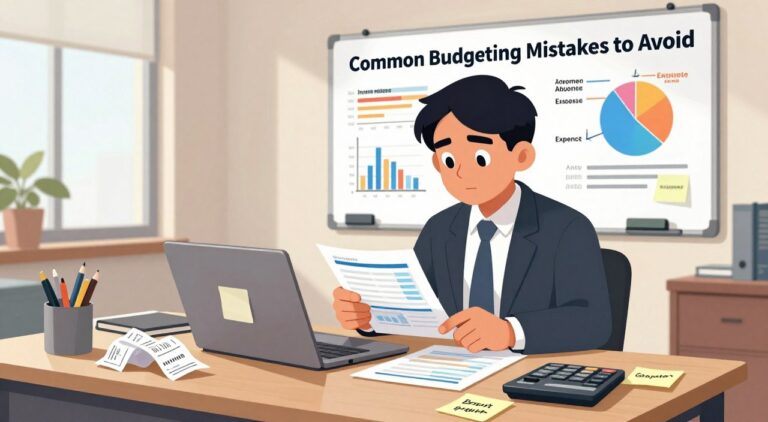
Managing personal money well starts with a clear view of income and expenses. This helps anyone set realistic goals and build a plan that fits daily life.
Many people rush the process and underestimate the time needed to design a workable budget. Finding the right way to track spending is the first step toward stronger financial control.
A good budget acts as a roadmap. It keeps finances aligned with short- and long-term goals and reduces the stress of unexpected costs. Consistent review helps them adapt as circumstances change. Whether someone is new or experienced, refining the approach today makes it easier to reach future objectives.
The Importance of Effective Money Management
Smart money choices start when someone links income with meaningful financial goals. That link turns vague intentions into a clear plan for saving, debt reduction, or a home purchase.
A straightforward budget helps track monthly expenses and shows where income is spent. It gives a quick view of cash flow and highlights areas that need adjustment.
Regular money management builds resilience. When a person sets priorities, they steer their finances toward long-term objectives. Small, steady habits create room for emergency needs and future growth.
- Prioritize needs and wants to align spending with financial goals.
- Review the budget monthly to handle shifts in income or costs.
- Use simple tracking tools to keep expenses visible and manageable.
| Category | Example Monthly Share | Purpose |
|---|---|---|
| Essentials | 50% | Covers housing, utilities, and groceries |
| Financial Goals | 20% | Savings, debt repayment, investments |
| Flex/Discretionary | 30% | Lifestyle, subscriptions, entertainment |
Common Budgeting Mistakes to Avoid
Picking a tracking method that fits daily habits often decides whether a budget will last. Tools that match a person’s routine make it easier to log income expenses and watch cash flow each month.
Choosing the right tracking method
Many people find an app keeps them on track. Apps can link an account and categorize spending automatically.
Scotia Smart Money by Advice+ is an example for Scotia clients. It helps monitor cash flow and shows how each purchase affects savings and debt goals.
The danger of rigid budgets
An overly strict plan can cause frustration and give up on goals. Using the 50/30/20 rule offers balance: 50% for needs, 30% for wants, and 20% for savings and debt.
Whether someone tracks in a notebook or with an app, the best approach is the one they use every month. Regularly review account activity and adjust as life changes.
- Choose a method that fits daily routines.
- Use reviews to spot areas for more savings.
- Keep flexibility so the plan can adapt over time.
| Method | Best for | Key benefit |
|---|---|---|
| Budgeting app | People who want automation | Auto-categorizes spending, links accounts |
| Notebook | Those who prefer manual tracking | Simple, builds mindful spending habits |
| Bank tool (e.g., Scotia Smart Money) | Clients who use that bank | Integrated view of income, expenses, and goals |
Failing to Account for Variable Monthly Expenses
Unexpected costs can unravel a well-planned budget if they are not built into regular forecasting. Variable expenses like home repairs, car maintenance, and seasonal insurance payments arrive at different times and demand cash quickly.
Start by listing irregular annual costs such as holiday gifts, insurance premiums, and property taxes. Divide each amount by 12 and set aside that share every month. This simple way smooths spending and keeps mortgage or tuition payments balanced with total income.
Planning for irregular annual costs
Many people forget rare but costly events. A funeral averaging $8,300 shows why planning matters. An emergency fund gives options when life surprises them and reduces the chance of high-interest debt.
- Review income expenses every month and update the set-aside amounts.
- Create separate savings buckets for car repairs, home projects, and gifts.
- Keep an account for irregular bills so cash is ready when needed.
With a clear plan, saving for a new car or a major renovation becomes realistic. Monthly reviews help maintain the budget, protect savings, and keep spending aligned with long-term goals.
Neglecting the Necessity of an Emergency Fund
A secure emergency fund acts as a financial shock absorber when life brings an unexpected bill. Experts recommend covering three to six months of living expenses as the target amount.
Failing to build this reserve leaves someone exposed to a sudden car repair or a home emergency. Keeping those savings in a dedicated savings account keeps the money accessible yet separate from daily spending.
They should set aside a portion of each paycheck and, when possible, automate transfers. Automation creates steady progress and creates options during hard months without touching credit lines.
- Covers 3–6 months of essential bills
- Stored in a separate savings account for accessibility
- Funded by regular, automated set-aside transfers
| Recommended months | Purpose | Where to keep it |
|---|---|---|
| 3–6 | Protect monthly budget and prevent borrowing | Savings account at a bank or credit union |
| Emergency amount | Handle car, home, or medical surprises | Accessible online account or high-yield savings |
| Funding method | Build steadily from each paycheck | Automated transfers |
Overlooking the Impact of Unused Subscriptions
A brief audit of recurring charges often reveals scores of low-cost services that add up fast.
Many people lose money without realizing it. The average consumer spends $924 per year on streaming services alone.
Regularly check bank and credit card accounts for recurring services. Cancel memberships that no longer provide value and redirect that cash into savings.
- Set aside one hour each month to review subscriptions and spending statements.
- Use a subscription-cutting app or bank tools to find hidden charges and log opportunities for savings.
- Streamline services so the budget matches actual priorities and reduces waste.
| Method | What it finds | Best use |
|---|---|---|
| Manual audit | Visible recurring charges in statements | Low cost, no tools needed |
| Subscription app | Hidden trials, forgotten services | Fast detection and cancellation |
| Bank account tools | Auto-categorized recurring payments | Integrated with accounts for quick action |
Mismanaging Credit Cards and Debt
Small card charges added up over months can turn a useful tool into a heavy financial burden. When balances grow, interest and fees push monthly payments higher. That cycle reduces money available for savings and essential expenses.
The trap of minimum payments
Paying only the minimum extends a loan and raises the amount paid in interest. People may think the card is under control, but minimums often cover fees and a tiny portion of principal.
Benefits of debt consolidation
Consolidation can combine several accounts into one loan with a lower rate. That makes a single, predictable payment each month and can free cash for other goals.
Avoiding high interest rates
Compare options in the market before choosing a new account or loan. Lower APRs and fixed terms save money over time. Avoid buying new luxury items on credit unless the balance can be paid in full.
- Use a card for tracked, planned purchases and pay full balances when possible.
- Explore personal loan or balance-transfer options for high-rate debts.
- Review terms so interest does not outpace progress on debt.
| Option | Typical APR | Main benefit |
|---|---|---|
| Balance transfer | 0%–6% intro | Lower short-term interest |
| Personal loan | 6%–15% | Fixed payment, clear payoff |
| Keep card, pay full | Variable | Build credit, avoid interest |
Ignoring Your Credit Report and Financial Standing
Credit records act like a financial resume; keeping them accurate opens doors and lowers costs. Many people miss this step and face higher rates or lost opportunities.
Why credit reports matter for your future
Lenders, landlords, and some employers review credit records to judge financial reliability. A clean report helps when someone applies for a home loan, a new account, or a job that checks finances.
Anyone can request a free copy of their credit report from each major bureau at annualcreditreport.com. Review reports at least once a year and after major financial changes.
- Spot and dispute errors quickly to protect score and options.
- Verify accounts, balances, and closed accounts for accuracy.
- Use reported history to plan debt repayment that improves standing.
| Who checks | Why it matters | Action |
|---|---|---|
| Lenders and creditors | Sets loan rates and approvals | Request reports and fix errors |
| Landlords and insurers | Influences rental and policy decisions | Monitor reports yearly |
Conclusion: Building a Healthier Financial Future
A clear plan paired with regular checks gives a person power over their money and future. Small habits, like tracking spending and reviewing goals, keep a budget useful and realistic.
They should set aside time each month to audit accounts and update priorities. Whether saving for a home or a car, steady discipline moves finances forward.
Effective money management is an ongoing process that changes with life stages. Stay consistent, learn from setbacks, and adjust the way funds are allocated as needs evolve.