How to Improve Financial Literacy Starting Today

Only about half of US adults answer basic money questions correctly, according to the P-Fin Index. That gap shows why financial literacy matters for everyday life and long-term future planning. They can start by learning how interest, credit, and income shape decisions. Simple habits, like checking a credit score and tracking spending, make complex topics […]
How to Set Financial Goals and Actually Reach Them
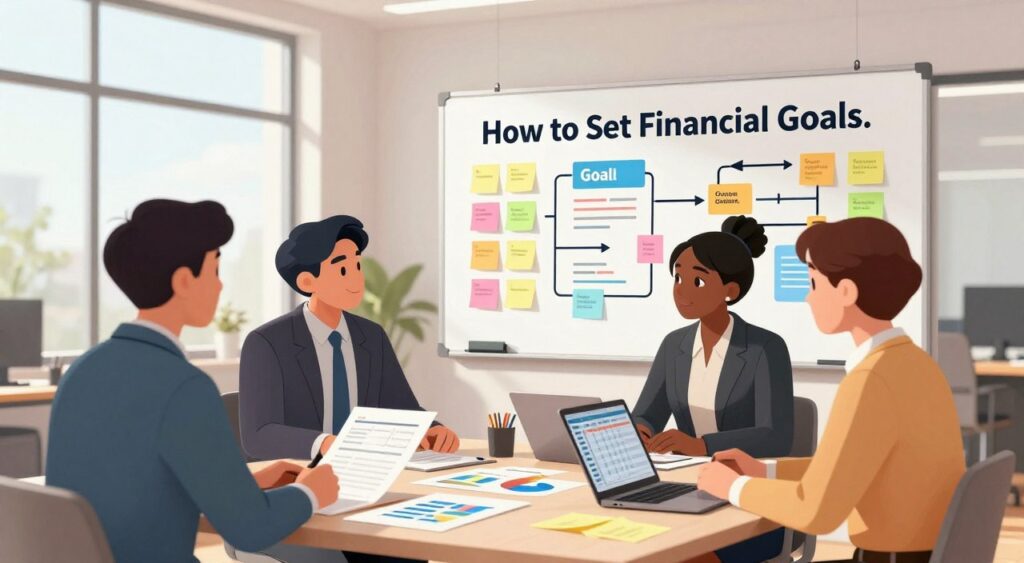
The 2024 Wells Fargo Money Study found 67% of Americans wish they knew more about managing their money. This guide helps readers turn that wish into a clear plan. It lays out simple steps to organize life, manage debt, and protect the future. Readers learn how to build an emergency fund, track progress, and create […]
How to Build Better Saving Habits That Last

Many people in the United States feel pressure about their finances. A 2020 American Psychological Association survey found 66% of adults say money causes stress. Another study put 43% of adults saying that saving enough for the future is their top worry. Creating steady savings eases that burden. Small sums, like $10 or $20 saved […]
Simple Money Management for Beginners: Practical Everyday Tips

To get started, the reader is invited to pause and look honestly at their habits and spending. This short pause can clear the mind and make practical steps easier to adopt. These small moves help build steady control over daily finances. Using a Fidelity Cash Management account can make handling cash easier. The bank reimburses […]
How to Read a Credit Card Statement Step by Step
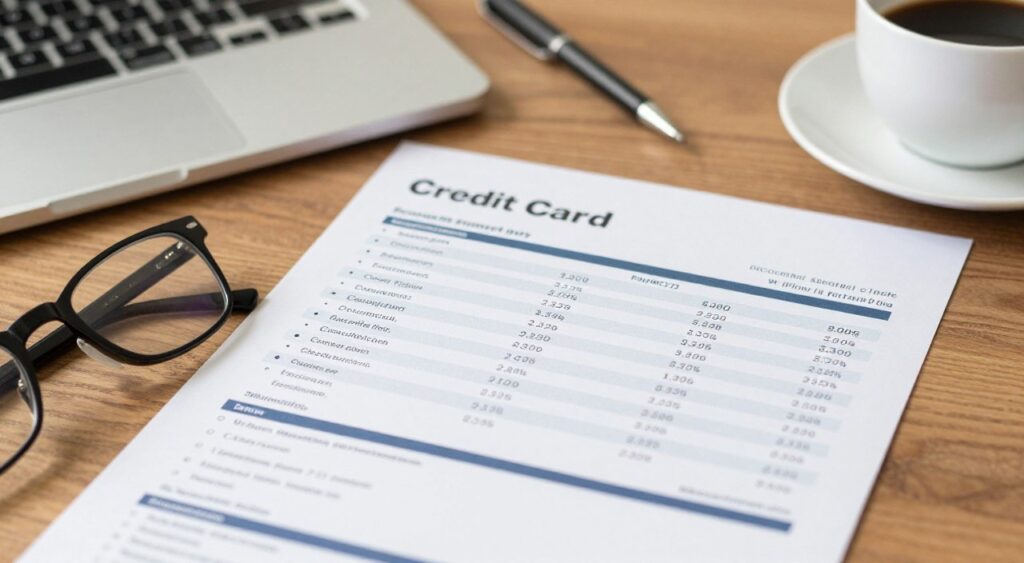
Understanding a billing summary helps people track purchases, payments, and fees each month. This short introduction explains why checking card statements matters and what to watch for. Your card issuer sends a monthly statement that lists activity, interest, and charges. By reviewing the date, amount, and transactions, they can spot errors or fraud early. Equifax […]
Needs vs Wants in Budgeting: How to Make Better Spending Decisions
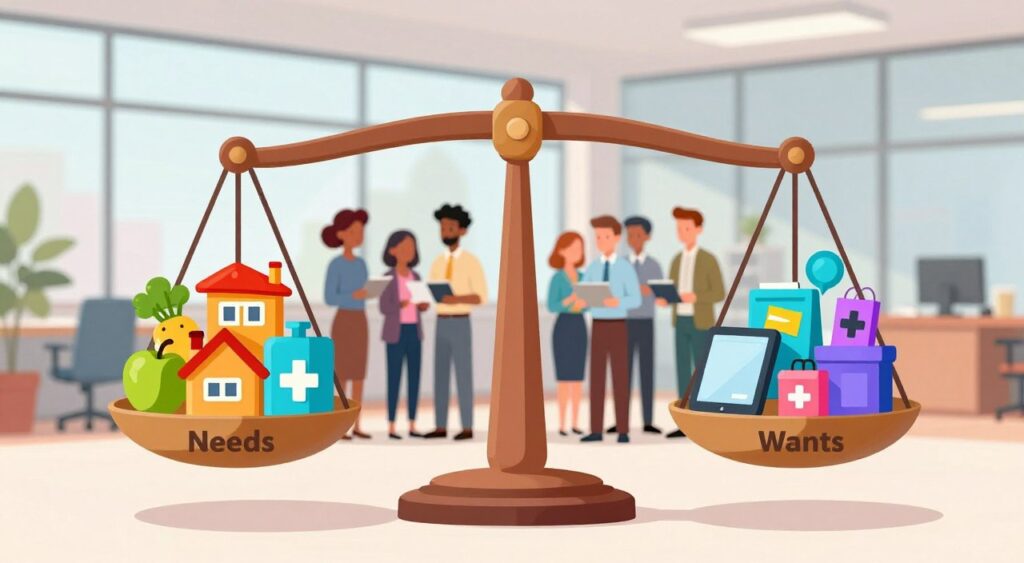
Understanding what truly belongs in the essentials column is the first move toward steady financial health. This short guide shows how to sort needs from wants, so monthly spending matches goals and income. They will learn to list regular expenses, set aside an emergency fund, and carve out room for a few enjoyable things. A […]
How Minimum Payments Work on Credit Cards and Why They Matter
Understanding a minimum payment helps a person keep a credit card account in good standing with their issuer. It is the smallest payment due each month that prevents late fees and keeps billing terms intact. When a balance carries over, interest and other charges make the debt grow with time. Paying only the card minimum […]
Common Credit Card Fees Explained for First-Time Cardholders
The United States has many credit options, and a new user can feel overwhelmed. This introduction helps them spot the main costs tied to a new card. Understanding a card’s terms makes it easier to manage balances and avoid surprise charges. It also helps a person build a positive history with their bank. Issuers structure […]
How to Use a Credit Card Responsibly Without Overspending

Using plastic wisely helps people build strong credit history and access benefits like cash back. Treat the account as a short-term loan and aim to pay the full balance each month. That simple habit can prevent interest charges and extra fees that erode savings. Knowing the credit limit and tracking spending keeps purchases within budget […]
Secured vs Unsecured Credit Cards: What’s the Difference?

The choice between a secured card and an unsecured card affects how someone builds credit and manages costs. One key difference is that a secured option requires a refundable deposit to open an account, while an unsecured credit card does not need collateral. The card issuer will review a person’s credit history to decide which […]